
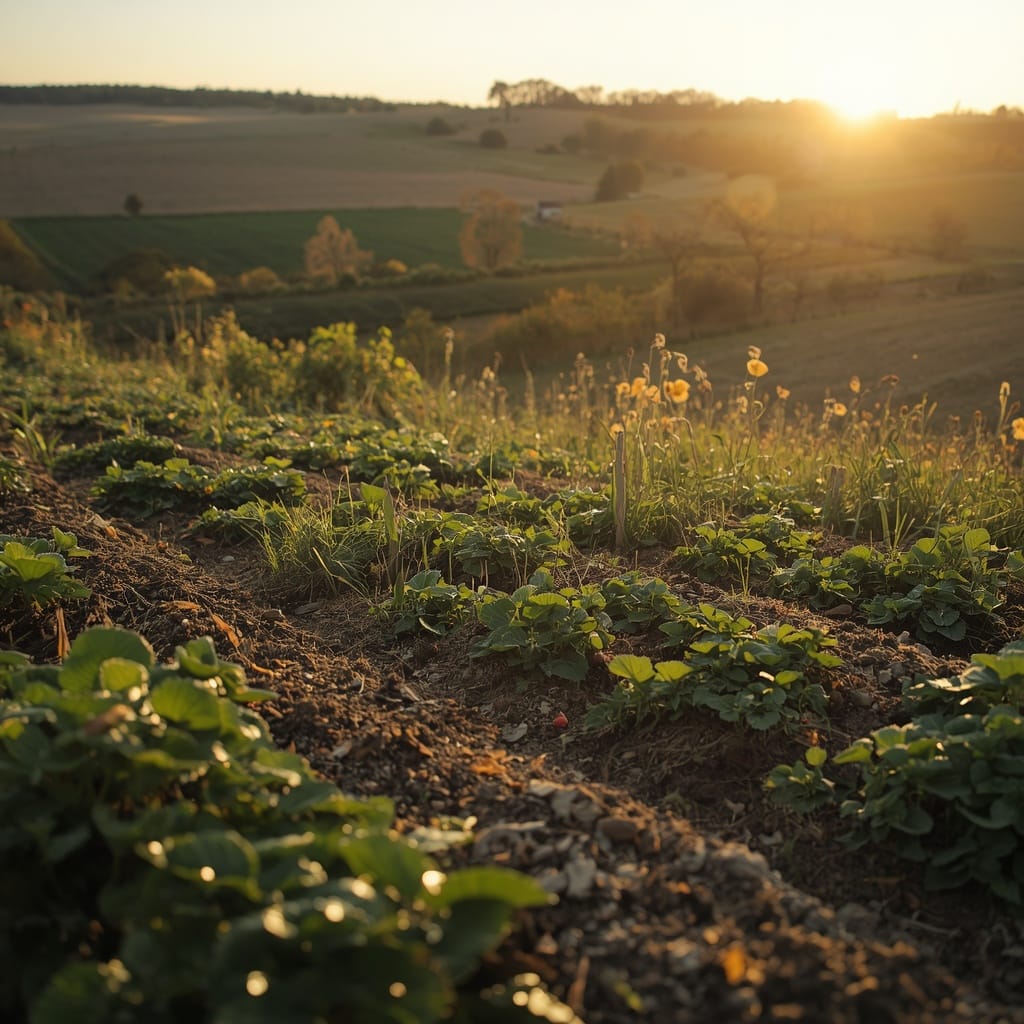
Discover the best soft fruit varieties that thrive in UK conditions while supporting regenerative principles and delivering strong yields.
Choosing the right soft fruit varieties is one of the most important early decisions when starting a regenerative farm in the UK. The wrong choice can lead to poor yields, high disease pressure, and constant struggle against the British climate. The right choice can create a resilient, productive system that works with nature instead of fighting it.
After weeks of research into regenerative soft fruit varieties UK growers are successfully using, I’ve put together this practical guide based on what actually performs well under regenerative principles. This isn’t just theory — these are varieties that can handle cooler, wetter conditions, resist common diseases, and contribute to building healthy soil over time.
Why Variety Selection Matters in Regenerative Systems
In regenerative farming, variety selection goes far beyond just yield potential. You need plants that work harmoniously within a living system. Strong natural disease resistance reduces the need for interventions. Good pollinator attraction supports not only the fruit but the wider ecosystem. Varieties that respond well to improved soil biology and mycorrhizal networks tend to perform better over the long term.
The British climate, especially in the North East where Beagle Rock Farms will be located, brings particular challenges: cooler summers, high rainfall, strong winds, and shorter growing seasons. Varieties that can handle these conditions while thriving under regenerative management are essential for long-term success.
Strawberries for Regenerative Farming in the UK
Strawberries are often one of the earliest revenue streams for small regenerative farms because they can produce in the first year. However, not all varieties perform equally well under regenerative methods. Many commercial varieties bred for intensive systems struggle when chemical inputs are removed.
Some of the strongest performers in regenerative systems include varieties known for natural disease resistance and flavour. Certain everbearing and perpetual types can extend the season significantly, which is valuable when trying to generate early income. These varieties tend to respond particularly well to rich, biologically active soil and benefit greatly from companion planting and mulch systems.
Raspberries and Their Role in Regenerative Systems
Raspberries are another excellent crop for regenerative farms because they are perennial and relatively easy to manage once established. Autumn-fruiting varieties are especially popular in the UK because they fruit on first-year canes, reducing disease carry-over and simplifying pruning.
Good regenerative raspberry varieties tend to have strong root systems and natural vigour that improves as soil health builds. They also pair well with companion plants and benefit from the increased biodiversity regenerative systems encourage. Choosing varieties with good flavour and shelf life is important if you plan to sell fresh or make value-added products.
Blueberries – The Regenerative Superstar
Blueberries are one of the most exciting crops for regenerative farmers in the UK. They require acidic soil, which can be created and maintained through regenerative practices such as pine needle mulch, sulphur, and ericaceous compost. Once established, they are long-lived plants that become more productive as the surrounding ecosystem improves.
Certain varieties stand out for UK conditions due to their hardiness and ability to produce well even in cooler summers. Blueberries also support pollinators exceptionally well and can be integrated into diverse planting systems that include other soft fruits and beneficial plants.
Blackcurrants and Other Currants
Blackcurrants are a traditional UK favourite and fit very well into regenerative systems. They are hardy, productive, and relatively low-maintenance once established. Many older heritage varieties have excellent natural disease resistance and strong flavour, making them ideal for both fresh sales and processing into jams, cordials, and sauces.
Redcurrants and whitecurrants can also play an important supporting role in a diverse regenerative system, providing additional harvests and supporting biodiversity.
Key Factors When Choosing Regenerative Soft Fruit Varieties in the UK
When selecting varieties, several practical factors must be considered together. Climate resilience is critical, especially with increasingly unpredictable weather patterns. Disease resistance becomes much more important when minimising chemical inputs. Flavour and market appeal matter if you want to sell directly or create value-added products. Pollination requirements should also influence choices, as strong pollinator support is central to regenerative success.
Soil compatibility is another major consideration. Some fruits are more forgiving of the heavy clay soils common in parts of the North East, while others need significant soil building work.
My Approach for Beagle Rock Farms
At Beagle Rock Farms I will be taking a diversified approach, planting several different varieties of each main soft fruit. This spreads risk and allows me to learn which ones perform best on our specific site as the soil improves over time. Starting with a mix of early, mid, and late season varieties will help extend the harvest window and create more consistent income streams.
The goal is not to find one perfect variety, but to build a resilient, diverse system that improves year after year. This is the essence of regenerative fruit farming.
Conclusion
Choosing the right regenerative soft fruit varieties UK conditions is one of the foundational decisions that will determine how successful and enjoyable your farm becomes. The varieties that thrive under regenerative management tend to reward patience and good soil building practices with increasing yields and resilience over time.
This is still very much a learning journey for me. As I test different varieties at Beagle Rock Farms over the coming years, I will continue sharing what works, what struggles, and what lessons emerge along the way.
If you have experience growing soft fruits regeneratively in the UK, I would genuinely love to hear which varieties have performed best for you. Leave a comment below and share your knowledge, we all benefit when growers share real results from the land.
References