Core Concepts, Science, and Why It Goes Beyond Organic
Regenerative farming is one of the most promising movements in modern agriculture today. It goes far beyond simply reducing harm. Instead, it focuses on actively restoring and improving the land while producing high-quality, nutrient-rich food.
As someone preparing to launch Beagle Rock Farms in the UK at age 58, I have spent months researching this approach. Here is a clear, in-depth look at what regenerative farming actually is, the science that supports it, how it differs from organic farming, and why it makes so much sense — especially here in Britain.
The Core Principles of Regenerative Farming
Regenerative farming is built around several interconnected ideas rather than strict rules. The focus is on protecting and rebuilding soil life, keeping the ground covered year-round, maintaining living roots in the soil, increasing plant and animal diversity, and integrating livestock where it makes sense. Together, these practices help transform a farm into a thriving, self-sustaining ecosystem instead of a simplified food factory.
The real strength of this approach is its flexibility. Farmers can adapt the principles to their local conditions, making it suitable for everything from large arable operations to small soft fruit farms like the one I’m planning.
The Science Behind Regenerative Farming
At its heart, regenerative farming works by bringing the soil back to life. Healthy, living soil is full of microbes, fungi, bacteria, and earthworms that form a natural underground network.
Plants play a key role by releasing natural sugars and compounds through their roots to feed these soil organisms. In return, the microbes help break down nutrients, protect plants from disease, and create better soil structure. This natural partnership builds fertility without relying heavily on external inputs.
Over time, these practices increase the amount of organic matter in the soil. This improved soil holds much more water, reduces flooding and drought problems, and helps lock away carbon from the atmosphere. Research from long-term trials shows these systems can steadily improve soil quality, leading to stronger, more resilient crops that need fewer fertilizers and pesticides.
In simple terms, regenerative farming works with nature’s own systems instead of fighting against them.
How Regenerative Farming Differs from Organic Farming
Many people confuse the two, but they are not the same. Organic farming mainly focuses on what you cannot use — no synthetic chemicals, no GMOs. It is a big step forward from conventional farming, but it does not always focus on actively improving the soil.
Regenerative farming goes further. It is more about results than rules. A farm can be organic and still lose soil health over time if it uses heavy tillage or brings in lots of outside materials. Regenerative farming measures success by real improvements in soil quality, biodiversity, and overall ecosystem health.
The Full Range of Benefits
The advantages touch every part of the farming picture.
Environmental Benefits These systems pull carbon out of the air, improve water quality, and dramatically increase wildlife. They also make farms more resilient to extreme weather, something increasingly important in the UK.
Economic Benefits Over several years, input costs (fertilizers, sprays, fuel) tend to drop significantly. This is especially helpful for new or small farms working with tight budgets. Many regenerative farms also earn more by selling premium, high-quality produce directly to customers who care about how their food is grown.
Human Health Benefits Crops grown in rich, living soil are often more nutrient-dense, with higher levels of vitamins, minerals, and antioxidants. For farmers, working this way usually means less contact with harsh chemicals and a more rewarding daily connection to the land.
Social and Community Benefits It helps strengthen local food systems and rural communities while giving farmers a greater sense of purpose.
Why This Matters Now — Especially in Britain
Britain is in a unique position. Decades of intensive farming have left many soils tired and low in organic matter. At the same time, we are seeing wetter winters, drier summers, and pressure to reach net-zero emissions.
Regenerative farming offers real solutions to these challenges. It can help restore soil health, reduce flood risk, support struggling wildlife populations, and cut the country’s reliance on imported fertilizers. For small farms like Beagle Rock Farms, it provides a practical path to stay profitable while working with nature instead of against it.
Bringing It to Life at Beagle Rock Farms
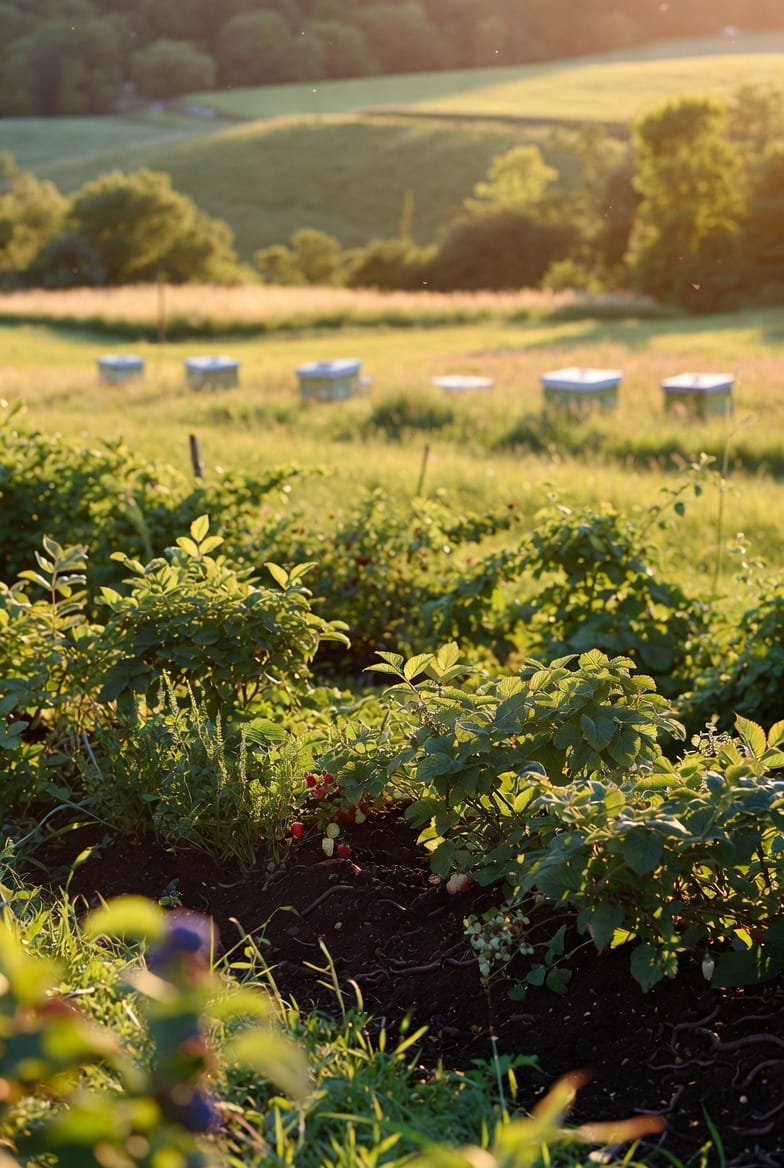
On our planned soft fruit farm in the UK, this will mean planting diverse cover crops between rows of strawberries and raspberries, using chickens and rabbits to naturally fertilize the soil, and creating habitats for pollinators around the blueberry and blackcurrant patches. Instead of fighting pests with sprays, we’ll build a balanced system where nature does much of the work. The goal is not just to grow fruit, but to leave the land better than we found it.
The Challenge Ahead
Starting this journey at 58 with a tight £20,000 budget and no previous commercial farming experience will not be easy. There will be difficult seasons, mistakes, and moments of doubt. But I believe regenerative farming gives us the strongest possible foundation for long-term success.
This philosophy will guide every decision we make at Beagle Rock Farms, from how we prepare the land to how we market our jams, honey, and berries. I look forward to sharing the full journey with you.
References & Further Reading:
- Rodale Institute – Long-term regenerative agriculture trials
- Savory Institute – Evidence for Holistic Management and Regenerative Grazing
- Kiss the Ground Foundation – Soil Health and Regenerative Agriculture Resources
- UN FAO Reports on Regenerative Agriculture Practices
- UK Government Soil Health and Net Zero Reports