
Why Land Selection Is the Most Critical Decision in My £20,000 Challenge
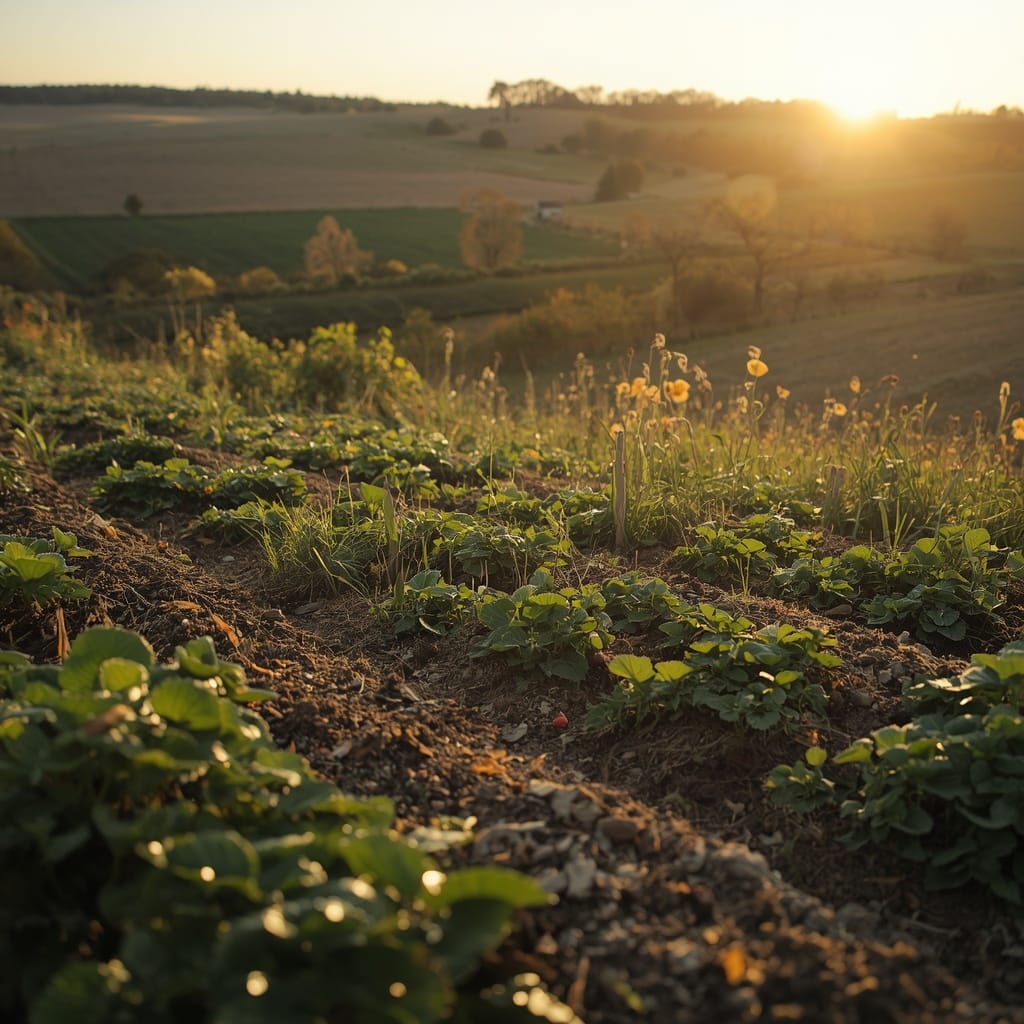
Choosing the right piece of land is probably the single most important decision I will make in this entire project. With only £20,000 to work with (excluding the cost of the land itself), there is almost no margin for error. The more I research, the more I realise how interconnected every factor is, soil, location, climate, water access, planning rules, and long-term regenerative potential.
Soil Quality Is Everything
For soft fruits, soil type and pH are critical. Blueberries need acidic soil (ideally pH 4.5–5.5), while strawberries and raspberries prefer slightly acidic to neutral conditions (pH 5.5–6.5) with excellent drainage. I’ve been spending many hours studying the UK’s Soilscapes viewer and local county soil data. Many areas in northern England and parts of Yorkshire show promising acidic or loamy soils.
However, location is just as important as soil type itself. A perfect soil in the wrong microclimate, with high frost risk, poor sunlight exposure, or difficult access, can still lead to constant struggles and disappointing yields. Later, once the land is chosen, I plan to use regenerative practices to gradually improve soil conditions through cover cropping, heavy mulching, compost applications, and careful management of organic matter. These methods can help adjust pH and structure over time, but starting with reasonably suitable soil will give us a much stronger foundation.
DEFRA & SFI Considerations
The Sustainable Farming Incentive (SFI), delivered by DEFRA, is another important piece of the puzzle. These schemes are not the main focus or primary income source for Beagle Rock Farms. Instead, they are helpful tools that can provide some financial support during the early, more difficult transition years while the soil biology is still developing.
Actions such as soil health improvements, planting cover crops between berry rows, creating pollinator habitats, and maintaining hedgerows could qualify for payments. This extra income stream could help bridge the gap until the farm becomes more self-sufficient.
Planning Permission Challenges in the UK
One of the biggest surprises in my research has been how complex and restrictive planning permission can be for small farms in Britain. Even modest developments that seem straightforward can hit significant hurdles.
Permitted development rights for agricultural buildings do exist, but they come with strict limits. For example, you can often erect small sheds or polytunnels without full planning permission, but there are size caps (typically up to 465 square metres on larger holdings, much less on smaller ones) and conditions about how close they can be to roads or neighbouring properties. If I want anything larger — such as a proper packing shed, a small shop for PYO customers, or even multiple polytunnels. I will almost certainly need to submit a full planning application.
Reclassification is another major challenge. Most rural land is designated as purely agricultural. Changing even a small portion to mixed use (for example, to allow a farm shop or visitor parking) can trigger a lengthy and expensive planning process. Local councils vary wildly in their attitude toward small regenerative projects. Some are supportive if you can demonstrate environmental benefits, while others are very strict and slow.
These rules are particularly difficult for new entrants like me working with a very limited budget. A single planning application can cost thousands of pounds in fees, surveys, and professional drawings, money I would much rather spend on plants, trees, or soil improvement. This is why I’m being extremely careful during the land search phase to find plots where the existing permissions and designations give me the best possible chance of success without massive additional costs.
Other Practical Factors I’m Researching
Water access and water rights are a major consideration, especially as soft fruits need consistent moisture during the growing season without becoming waterlogged. Proximity to markets and reasonable transport links will also be important for Pick Your Own visitors and for selling fresh fruit and value-added products directly to customers. Elevation and frost risk are another key factor I’m watching closely, as soft fruits are particularly sensitive to late spring frosts that can destroy an entire year’s crop in a single night.
This research phase is taking longer than I originally expected, but it feels absolutely essential. I would rather spend extra time now making the right decision than rush in and regret it for years to come.
References & Further Reading:
- Soilscapes Viewer – LandIS
- Sustainable Farming Incentive 2026 (SFI26) – GOV.UK
- What Is Regenerative Farming? Core Concepts and Principles
- DEFRA Planning Permission Guidance for Farms