:My Personal Reasons for Going Beyond Organic
When my wife told me she wanted to move back to the UK, I made her a deal. I would leave my life in Texas at age 58, but only if I could start my own farm. That single conversation set me on a path of deep research and reflection.
After months of reading studies, watching documentaries, and speaking with farmers, one approach kept rising above the rest: regenerative farming. It felt different from both conventional and even organic systems. It was not just about avoiding harm. It was about actively restoring and improving the land.
Here is why regenerative farming became my clear choice for Beagle Rock Farms.
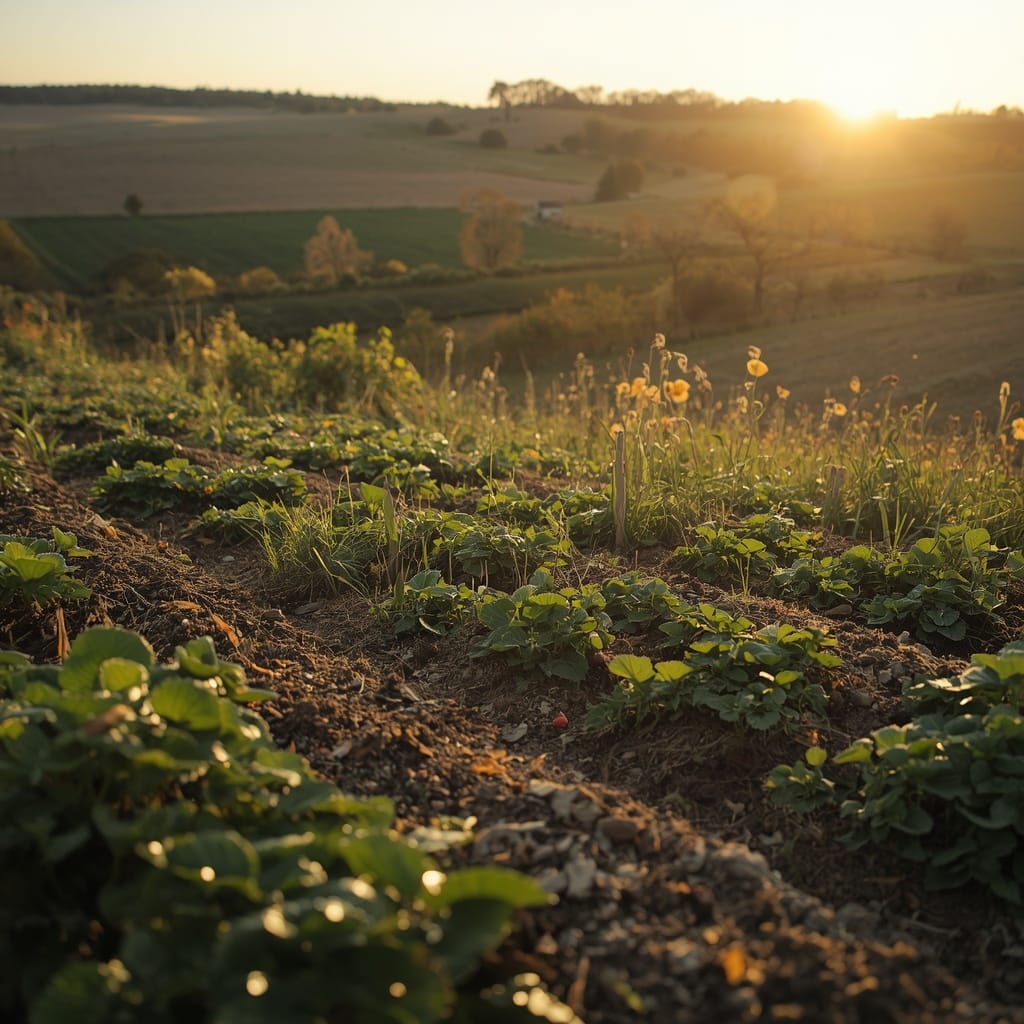
I want the land I work to be healthier when I leave it than when I found it. Conventional agriculture often treats soil as little more than a medium to hold plants while adding synthetic inputs. Even many organic systems focus mainly on what not to use. Regenerative farming goes much further. It focuses on rebuilding soil structure, increasing organic matter, boosting microbial life, and creating a truly living ecosystem. That idea of healing the land resonates deeply with me.
This approach also offers real resilience in an uncertain climate. We are seeing more extreme weather — droughts followed by heavy flooding, heat waves, and unpredictable seasons. Regenerative practices such as cover cropping, minimal tillage, and diverse planting help create soil that holds water better, resists erosion, and supports stronger plants even when conditions are difficult. For someone starting a farm later in life with limited financial backup, this built-in resilience matters enormously.
I also want to produce food that is genuinely nutritious and full of flavour. There is growing evidence that food grown in healthy, living soil contains higher levels of vitamins, minerals, and antioxidants. If I am going to put in years of hard work, I want the strawberries, raspberries, blackcurrants, jams, and honeys from Beagle Rock Farms to deliver more than just calories. I want them to actually nourish people.
From a practical standpoint, regenerative farming makes long-term economic sense for a small operation. While it can have a learning curve and sometimes lower yields in the beginning, it reduces the need for expensive external inputs over time. Healthy soil means lower costs for fertilizers, pesticides, and irrigation, while diverse systems open up multiple revenue streams through fresh produce, value-added products, and honey.
But perhaps the most compelling reason is the lifestyle it offers. At this stage of life, I am not looking to grind myself down chasing maximum profit. I want meaningful daily work that keeps me physically active, mentally engaged, and connected to the natural world. Regenerative farming provides exactly that rhythm. There is deep satisfaction in working with nature instead of fighting against it, observing the seasons, building compost, caring for bees, and watching the land respond positively over time. This feels like the kind of purposeful life I want for my later years.
Ultimately, regenerative farming aligns with my values. I want my work to be part of the solution rather than adding to environmental problems. I want to produce good food while actively improving the land around me. That sense of alignment brings a peace of mind that is hard to put a price on.
Of course, I am under no illusions. Starting this farm at 58 with a strict £20,000 budget and no previous commercial experience will be challenging. There will be mistakes, difficult seasons, and moments of doubt. But I believe regenerative farming gives me the best possible chance of building something sustainable and meaningful.
This is the foundation everything at Beagle Rock Farms is built upon.
References & Further Reading:
- Rodale Institute – Regenerative Organic Agriculture Research
- Savory Institute – Evidence for Holistic Management and Regenerative Grazing
- Kiss the Ground Foundation – Soil Health and Regenerative Agriculture Resources
- UN FAO Reports on Regenerative Agriculture Practices