Chickens, Quail, and Rabbits for Fertility and Extra Income
One of the core principles of regenerative farming is integration, ensuring every element supports the others instead of operating in isolation. At Beagle Rock Farms, soft fruits and bees form the foundation, but after months of research I have concluded that thoughtfully adding livestock is essential to make the whole system work within the tight startup budget and five-year timeline I agreed to with my wife.
Chickens, quail, and rabbits stand out as the most practical choices for our small-scale soft fruit operation in County Durham.
Livestock turns what would otherwise be waste into valuable fertility. The soft fruit beds will produce plenty of biomass, prunings, fallen berries, weeds, and spent plants. Animals can convert that material into rich manure while helping control pests and weeds naturally. At the same time they create additional income through eggs and meat that does not depend entirely on the short berry harvest season. This closed-loop approach reduces the need for expensive external inputs and builds long-term resilience.
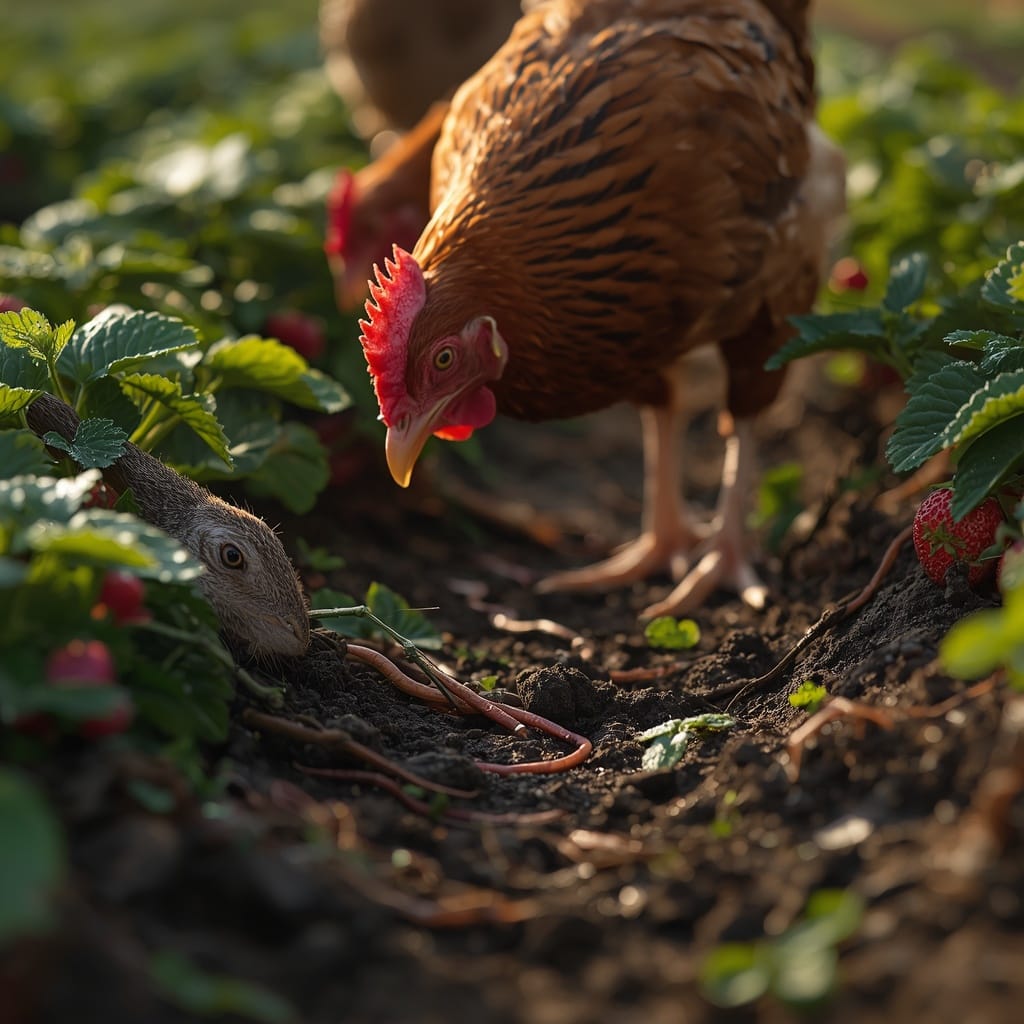
Chickens: The Versatile Soil Builders Chickens will be the primary livestock. I plan to start with a modest flock using mobile coops that can be rotated between fruit rows after harvest. They will scratch the soil, eat fallen fruit and insects, and deposit manure that feeds the berry bushes. Good foraging breeds suited to the UK climate should help keep feed costs down while providing a steady supply of eggs.
Quail: The Space-Efficient Egg Producers Quail offer a lower-space alternative that matures quickly. They need far less room than chickens and their eggs often command premium prices. Their manure is concentrated and easy to add to the compost system.
Rabbits: The Efficient Manure Producers Rabbits produce some of the best manure for fruit beds because it can be applied directly without burning plants. They breed reliably, provide meat, and can live largely on foraged greens and farm scraps. Their housing can be compact and quiet.
Funding and Support Schemes Available As a new entrant planning an integrated regenerative system, there are targeted government schemes that can help make this more affordable. The Sustainable Farming Incentive (SFI) 2026 is particularly relevant. The first application window opens in June 2026 and gives priority to small farms and those without existing environmental agreements. SFI pays for actions that improve soil health, biodiversity, and integrated land management, including livestock grazing management, cover crops, and habitat creation that support poultry and small livestock. Payments are made quarterly and could provide meaningful early income while the system is being established.
There is also the Farming Equipment and Technology Fund (FETF) 2026, which offers grants toward equipment such as housing, fencing, or feeders for chickens, quail, or rabbits. I will be tracking both schemes closely and will document every step of research, eligibility, and applications as part of the transparent journey.
Making It Work Within the £20,000 Budget The plan is to start small and scale gradually. Early revenue from eggs and occasional meat, combined with potential SFI and FETF support, should help fund expansion without draining the core budget. The biggest long-term return will come from the fertility the animals return to the soil, improving fruit yields season after season.
Real Challenges and How I Plan to Address Them Adding livestock brings genuine challenges. Fox predation is a serious issue across rural Britain, so secure housing and electric netting will be essential. Winter feed costs can rise in the UK climate. Learning basic veterinary skills and managing breeding will be a steep curve at 58. I will document every aspect honestly, costs, losses, and lessons learned.
How the Full System Fits Together Bees pollinate the fruit bushes. The fruits and plant waste feed the animals. The animals return fertility to the soil. Healthier soil grows stronger fruit. This integration turns the farm into a self-reinforcing system and gives the best chance of meeting the five-year viability target.
I am still in Texas completing the research and planning. Once we arrive in County Durham in 2027, I will share the actual implementation results, good and bad. If you have experience integrating livestock into a soft fruit or regenerative system, I would genuinely value your insights in the comments below.
-Feniks
Related articles
Regenerative Soil Fixes and Natural Fertilizers: Building Healthy Ground on a Budget
Linked References:
- DEFRA – Sustainable Farming Incentive (SFI) 2026 Scheme Guidance
- DEFRA Farming Blog – SFI 2026 Updates
- Rural Payments Agency – Farming Equipment and Technology Fund (FETF)
- Soil Association – Livestock Integration in Regenerative Systems
- AHDB – Poultry and Small Livestock Management
- Rodale Institute – Integrated Crop-Livestock Systems